
Wine cooler is designed to provide a stable environment for storing wine, but like any refrigeration appliance, it can develop problems during everyday use.
Some issues are relatively minor and can be related to temperature settings, ventilation, or the way bottles are arranged. Others may indicate a problem with the fan, thermostat, compressor, door seal, or drainage system.
Knowing the difference between normal operation and a genuine problem can help wine cooler owners avoid unnecessary repairs and protect their wine collection.
Here are some of the most common wine cooler problems that can occur during routine use.
One of the most common complaints is that the wine cooler does not seem to reach the selected temperature.
Before assuming that the cooling system has failed, check the basic conditions.
The temperature setting may have been changed accidentally, or the door may not be closing completely. A wine cooler placed too close to a heat source or in an area with poor ventilation may also have difficulty removing heat efficiently.
Overloading the cooler can create another problem. When bottles are packed too tightly, air may not circulate properly inside the cabinet, resulting in temperature differences between different areas.
If the cooler continues running but cannot maintain the desired temperature, the condenser, fan, thermostat, or refrigeration system may require further inspection.
Wine generally benefits from a stable storage environment, so frequent temperature fluctuations can be frustrating.
Small changes are normal because the cooling system cycles on and off. The temperature inside the cabinet may also change slightly when the door is opened.
However, large or persistent fluctuations can indicate a problem.
Common causes include:
Frequent door opening
Poor door sealing
Blocked ventilation
Excessive ambient temperature
Incorrect temperature settings
Poor internal air circulation
A faulty temperature sensor or thermostat
Before assuming that the appliance is defective, allow the cooler to operate with the door closed for several hours and observe whether the temperature gradually stabilizes.
Wine coolers are not completely silent.
A compressor may produce a low humming sound, while fans can create a soft whirring noise during normal operation. Clicking can also occur when the cooling system starts or stops.
The problem is usually when a familiar operating sound changes.
A new rattling, grinding, buzzing, or unusually loud vibration may be caused by a loose component, a fan obstruction, an uneven installation surface, or a worn mechanical component.
Dust accumulation around fans and ventilation areas can also make the cooling system work harder.
If cleaning and checking the installation do not resolve an unusual noise, professional inspection may be appropriate.
A small amount of condensation can be normal.
When warm, humid air enters a cold wine cooler, moisture can form on cold surfaces. This is particularly likely when the door is opened frequently or when the surrounding environment has high humidity.
However, standing water, repeated dripping, or water accumulating at the bottom of the cabinet deserves attention.
A blocked drainage path is one possible cause. A damaged door gasket can also allow excessive amounts of warm, humid air to enter the cabinet.
Cleaning the drainage area and checking that the door closes properly are useful first steps.
If water continues to accumulate, the drainage or refrigeration system may need professional attention.
A small amount of frost can occasionally appear in some wine coolers, but significant ice buildup is generally a sign that something needs to be checked.
One possible cause is warm air entering the cabinet through a door that is not sealing properly.
Another possibility is restricted airflow or a temperature-control problem.
When ice accumulates around the cooling area, it can reduce airflow and make it harder for the cooler to maintain an even temperature.
If defrosting does not solve the problem, the thermostat, sensor, fan, or refrigeration system may need to be inspected.
Do not use sharp objects to remove ice, as this can damage the interior or refrigeration components.
The door gasket plays an important role in maintaining the internal environment of a wine cooler.
A damaged, dirty, or incorrectly positioned gasket can allow warm air to enter continuously.
This can lead to several secondary problems:
Temperature fluctuations
Excessive condensation
Longer cooling cycles
Higher energy consumption
Frost buildup
Check the gasket regularly for dirt, cracks, deformation, or gaps.
The door should close firmly around the entire perimeter. If the seal is damaged or has lost its shape, replacement may be necessary.
A wine cooler may run for extended periods, particularly when first loaded with bottles or when the surrounding room is warm.
Continuous operation does not automatically mean that something is wrong.
However, if the cooler runs almost constantly and still cannot reach the selected temperature, there may be an underlying issue.
Poor ventilation is one of the first things to check. The condenser needs to release heat into the surrounding environment. If ventilation openings are blocked or the cooler is installed too close to surrounding surfaces, cooling efficiency can decrease.
A dirty condenser, excessive ambient temperature, incorrect installation, or refrigeration-system problem can also cause prolonged operation.
Temperature differences inside a wine cooler are not always a sign of failure.
Cold air naturally moves differently within the cabinet, and the location of the cooling components can influence temperature distribution.
Bottle arrangement also matters.
If bottles completely block air vents or internal circulation paths, some areas may become colder while others remain warmer.
Avoid packing bottles tightly against ventilation openings and leave enough space for air to circulate.
For wine collections that require particularly precise temperature control, placing an independent thermometer at different locations inside the cabinet can help identify whether there is a significant temperature difference.
Wine bottles themselves can sometimes introduce odors into an enclosed cabinet.
Spilled wine, dirty shelves, damaged corks, or packaging materials can also contribute to unpleasant smells.
Regular cleaning is therefore an important part of wine cooler maintenance.
Remove the bottles and shelves when appropriate, clean the interior with a suitable mild solution, and allow the cabinet to dry before returning the bottles.
Avoid using strong chemicals or cleaners with persistent odors inside the cooler.
The number shown on the control panel is not necessarily identical to the temperature at every point inside the cabinet.
The temperature sensor measures a specific location, while bottles may experience slightly different conditions depending on their position.
If you suspect that the displayed temperature is inaccurate, an independent thermometer can provide another reference point.
It is better to observe the temperature over several hours rather than judging the cooler based on a single reading immediately after opening the door.
Many wine cooler problems are related to basic maintenance and installation conditions rather than major component failure.
A simple maintenance routine can include:
Do not block the cooler's ventilation openings. Good airflow helps the refrigeration system release heat efficiently.
Dust can accumulate around ventilation areas, fans, and condenser components. Keeping these areas clean can help the cooler operate more efficiently.
Inspect the gasket periodically and clean away dirt or residue that could prevent a proper seal.
Every time the door is opened, warm and humid room air enters the cabinet. Keeping the door closed as much as possible helps maintain a stable internal environment.
A full wine cooler can be useful, but bottles should not block vents or prevent air from circulating.
Direct sunlight, ovens, radiators, and other heat sources can increase the workload on the cooling system.
Not every wine cooler problem can be solved through routine maintenance.
Professional service may be appropriate when:
The appliance does not power on
The cooler cannot maintain temperature after basic checks
The compressor produces abnormal sounds
There is evidence of a refrigerant problem
Electrical components appear damaged
Water continues to leak after the drainage system is checked
The temperature sensor or control system appears to malfunction
Refrigeration and electrical components should not be opened or repaired without the appropriate technical knowledge.
Routine wine cooler problems do not always indicate a major failure.
Temperature fluctuations, condensation, unusual noises, frost, poor cooling, and water accumulation can have several different causes. In many cases, the first things to check are the temperature setting, ventilation, door seal, bottle arrangement, and general cleanliness.
Regular maintenance is especially important because a wine cooler is designed to provide a stable environment over long periods rather than simply cool bottles for a few hours.
By paying attention to small changes in temperature, noise, condensation, and cooling performance, wine cooler owners can often identify potential problems early and maintain a more consistent storage environment for their wine collection.
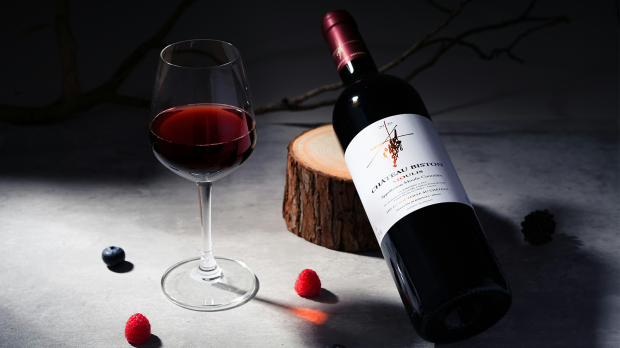
BEST WINE COOLERS 2026
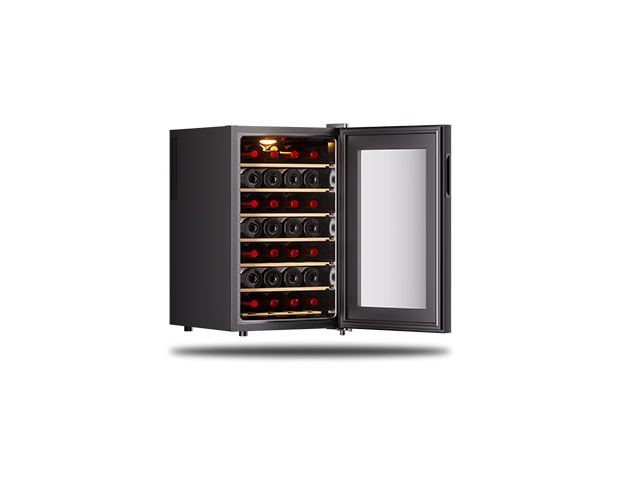
Wine Cooler OEM Manufacturer for the UK: Custom Wine Fridges for Retail and Hospitality Brands
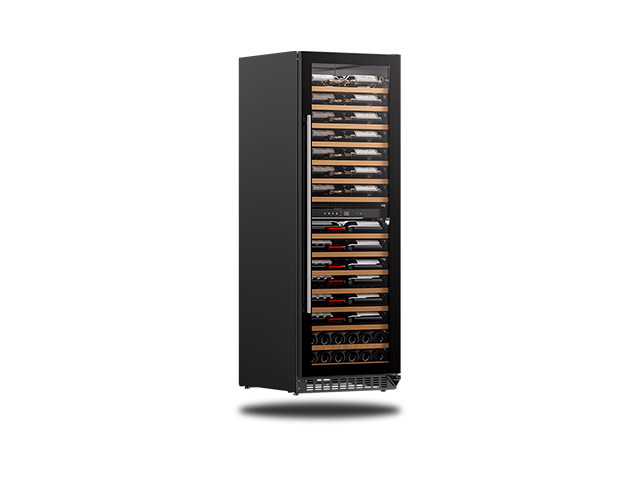
Wine Cooler OEM Manufacturer for Italy: Custom Wine Fridges for Wine Retailers and Kitchen Brands
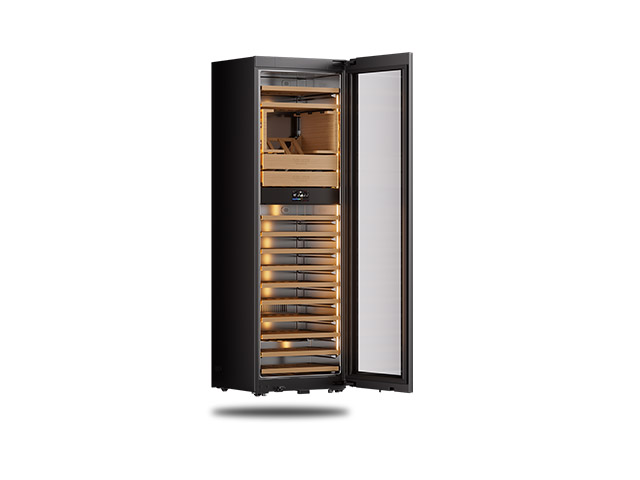
Wine Cooler OEM Solutions for South Africa: Custom Wine Cabinets for Distributors and Brands
Wine Cooler OEM Manufacturer for Brazil: Private Label Wine Fridges for Retail Brands and Importers
Candor International to Make Grand Appearance at Eletrolar Show 2024
How Long Do Drinks Last in a Beverage Cooler?
How to Choose Built-In Refrigerators?
Use a technology-driven approach to logistics faster, Fill out the form and one of our sales representatives will contact you shortly
Sign up with