
Choosing the right wine cooler design is an important decision for homeowners, interior designers, restaurants, hotels, and wine retailers. While built-in wine coolers and freestanding wine coolers both provide controlled storage conditions for wine, they are designed for different installation environments and usage requirements.
Understanding the differences between built-in and freestanding wine coolers can help buyers select the right solution based on available space, installation conditions, design requirements, and application scenarios.
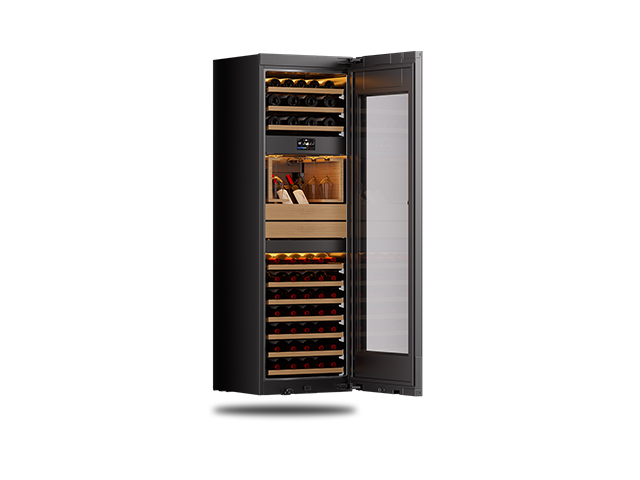
A built-in wine cooler is designed to be installed within cabinets, kitchen counters, bars, or customized furniture spaces. The ventilation system is usually designed to release heat from the front, allowing the unit to operate properly when surrounded by other structures.
Built-in wine coolers are commonly selected for projects where appearance, space utilization, and integrated design are important.
Designed for cabinet or under-counter installation
Front ventilation design for enclosed spaces
Integrated appearance with surrounding furniture
Space-saving installation
Suitable for modern kitchen and commercial interior designs
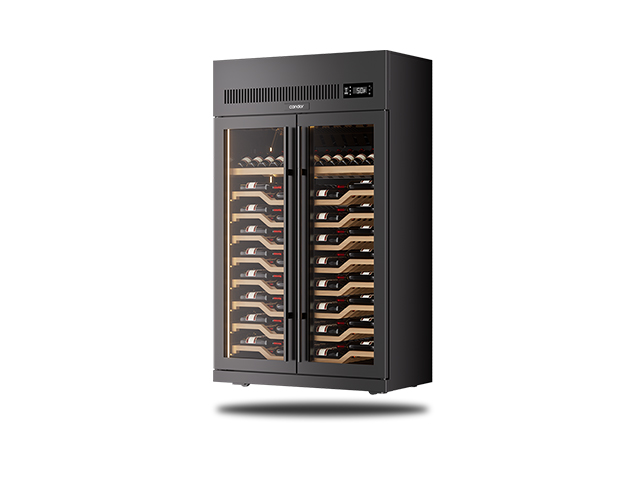
A freestanding wine cooler is designed to operate as an independent appliance without being installed inside cabinets or fixed structures.
It provides more flexibility because it can be placed in different locations according to user requirements.
Flexible placement options
Easier installation and relocation
Suitable for larger storage requirements
No cabinet modification required
Commonly used in homes, wine rooms, restaurants, and retail environments
| Comparison | Built-In Wine Cooler | Freestanding Wine Cooler |
|---|---|---|
| Installation | Installed into cabinets, counters, or furniture | Placed independently |
| Space Requirement | Suitable for integrated spaces | Requires dedicated floor or room space |
| Ventilation | Usually front ventilation | Requires sufficient surrounding airflow |
| Design Style | Focuses on seamless interior integration | Focuses on flexibility and storage capacity |
| Installation Flexibility | Lower after installation | Easy to move or reposition |
| Typical Applications | Kitchens, bars, luxury residences, hospitality projects | Homes, wine rooms, restaurants, retail stores |
For modern kitchens, built-in wine coolers are often preferred because they can be integrated with cabinets and appliances.
They are suitable for:
Luxury kitchen projects
Apartment renovations
Villas and high-end residences
Custom home interiors
Advantages:
Creates a cleaner appearance
Maximizes available kitchen space
Matches modern interior design styles
For homeowners and designers who prioritize aesthetics and space efficiency, built-in wine coolers are usually the preferred choice.
Freestanding wine coolers are more suitable for users who need flexible storage solutions or larger wine collections.
Common applications include:
Private wine rooms
Wine cellars
Collector storage areas
Residential entertainment spaces
Advantages:
Easier capacity expansion
Flexible placement
Suitable for different room layouts
Commercial projects require wine coolers that match the operational environment.
Suitable for:
Hotel rooms
Restaurant bars
Fine dining interiors
Lounge areas
Benefits:
Better integration with furniture design
Professional appearance
Efficient use of limited space
Suitable for:
Wine storage rooms
Back-of-house areas
Retail wine displays
Benefits:
Larger storage flexibility
Easy maintenance access
Convenient replacement or expansion
Before purchasing a wine cooler, buyers should consider:
If the wine cooler needs to fit into existing cabinets or counters, a built-in model is usually more suitable.
If installation location may change in the future, a freestanding model provides more flexibility.
Built-in wine coolers are often selected for compact storage and integrated designs.
Freestanding models are often preferred when larger bottle capacity is required.
For projects where the wine cooler is part of the overall interior design, built-in models provide a more seamless appearance.
For functional storage areas, freestanding models may provide better practicality.
Restaurants, hotels, and retailers should evaluate:
Display requirements
Available space
Storage volume
Maintenance convenience
Project design requirements
As a wine cooler manufacturer, Candor Intelligent provides wine cooler solutions designed for different residential and commercial requirements.
Different projects may require customization in areas such as:
Product dimensions
Capacity configuration
Door design
Interior shelving layout
Appearance finishes
Installation style
Whether the requirement is an integrated built-in wine cooler for a premium kitchen project or a flexible freestanding wine cooler for commercial storage, selecting the right design helps improve both user experience and storage efficiency.
Not all freestanding wine coolers are suitable for built-in installation. Buyers should confirm ventilation design and installation requirements before use.
Neither design is universally better. Built-in wine coolers are better for integrated spaces, while freestanding wine coolers provide more flexibility.
The choice depends on the application. Built-in models are suitable for front-of-house areas such as bars and dining spaces, while freestanding models are often used for larger storage areas.
Yes. Wine cooler manufacturers can customize dimensions, capacity, appearance, and internal configurations according to project requirements.

Wine Cooler OEM Manufacturer for Switzerland: Premium Wine Cabinet Customization for High-End Markets

Wine Cooler OEM for Norway: Quiet and Premium Wine Storage Solutions
Wine Cooler Routine Problems

Wine Cooler OEM Manufacturer for the US: Private Label Solutions for Appliance Brands and Retailers

Wine Cooler OEM Manufacturer for Canada: Custom Wine Cabinet Options for Distributors and Brands

Wine Cooler OEM Manufacturer for Portugal: Private Label Options for Wine Brands and Retailers

Wine Cooler OEM Manufacturer for Colombia: Custom Wine Refrigerator Solutions for Growing Retail Markets
Built-In vs Freestanding Wine Coolers: Which Design Is Better for Different Applications?
Use a technology-driven approach to logistics faster, Fill out the form and one of our sales representatives will contact you shortly
Sign up with