
Temperature control is one of the most important factors affecting wine cooler performance. Unlike regular refrigerators, wine coolers are designed to maintain stable storage conditions for different types of wine over long periods.
For residential users, restaurants, hotels, and wine retailers, choosing a wine cooler with the right temperature control technology directly affects wine preservation, energy consumption, operating stability, and user experience.
Wine quality is highly sensitive to temperature fluctuations. Excessive temperature changes may accelerate wine aging, while unsuitable temperatures can affect flavor development and storage conditions.
A professional wine cooler needs to provide:
Stable temperature maintenance
Consistent cooling performance
Reduced temperature fluctuation
Suitable storage conditions for different wine types
Compared with standard refrigeration appliances, wine coolers focus more on maintaining a controlled environment rather than rapid cooling.
Modern wine coolers use different temperature control technologies to improve cooling accuracy and operating efficiency.
Digital temperature control systems allow users to set and monitor the internal temperature more accurately.
Key benefits include:
Precise temperature adjustment
Easy operation through digital controls
Real-time temperature monitoring
Better control of storage conditions
This technology is especially suitable for users who need reliable wine storage performance in homes, restaurants, and commercial environments.
Compressor-based cooling systems are commonly used in professional wine coolers because they provide stable cooling performance and can maintain consistent temperatures under different environmental conditions.
Advantages include:
Strong cooling capability
Suitable for larger storage capacities
Stable operation in commercial applications
Better performance in warmer environments
Compressor wine coolers are often selected for:
Restaurants
Hotels
Wine shops
Large residential wine collections
Different wines require different storage temperatures. Dual zone wine coolers allow separate temperature areas for storing different wine types.
Typical applications include:
Red wine storage
White wine storage
Champagne storage
Benefits:
Flexible temperature management
Better storage organization
Suitable for mixed wine collections
For wine collectors and hospitality projects, dual zone control provides greater storage flexibility.
Energy efficiency is becoming increasingly important for wine cooler buyers, especially for commercial users operating multiple units.
Temperature control technology helps improve energy performance through:
Accurate temperature monitoring prevents unnecessary cooling cycles.
Benefits:
Lower energy consumption
Reduced compressor workload
Longer product lifespan
Temperature control systems work together with insulation structures to reduce heat exchange between the inside and outside environment.
Good insulation helps:
Maintain stable internal temperature
Reduce cooling loss
Improve overall efficiency
Advanced control systems can adjust cooling operation according to actual temperature conditions.
This helps:
Avoid excessive cooling
Maintain stable storage conditions
Improve operating efficiency
Different users have different requirements when selecting wine coolers.
| Application | Temperature Control Requirements |
|---|---|
| Home Wine Storage | Stable temperature control, quiet operation, compact design |
| Luxury Residential Projects | Precise control, integrated design, premium user experience |
| Restaurants and Hotels | Reliable operation, frequent access, commercial durability |
| Wine Retail Stores | Consistent temperature management and larger storage capacity |
Before selecting a wine cooler, buyers should consider:
Determine whether the unit is mainly used for:
Red wine storage
White wine storage
Mixed wine collections
Different storage needs may require different temperature control configurations.
Larger wine collections usually require stronger cooling systems and more stable temperature management.
Commercial buyers should consider:
Bottle capacity
Operating environment
Daily usage frequency
The surrounding environment can affect cooling performance.
Important factors include:
Ambient temperature
Available ventilation space
Installation location
Usage frequency
As a wine cooler manufacturer, Candor Intelligent provides wine cooler solutions designed for different market and application requirements.
Temperature control configurations can be customized according to:
Product capacity
Cooling system requirements
Storage conditions
Residential or commercial applications
By selecting suitable temperature control technology, wine cooler manufacturers can help customers achieve better storage performance and energy efficiency.
Stable temperature helps maintain suitable wine storage conditions and reduces the impact of temperature fluctuations on wine quality.
Compressor wine coolers are commonly selected for commercial applications because they provide strong cooling performance and stable operation.
A dual zone wine cooler allows users to store different wine types at different temperatures within the same unit.
Accurate temperature control reduces unnecessary cooling operation, helping improve energy efficiency and maintain stable performance.

Wine Cooler OEM Manufacturer for Switzerland: Premium Wine Cabinet Customization for High-End Markets

Wine Cooler OEM Manufacturer for the US: Private Label Solutions for Appliance Brands and Retailers
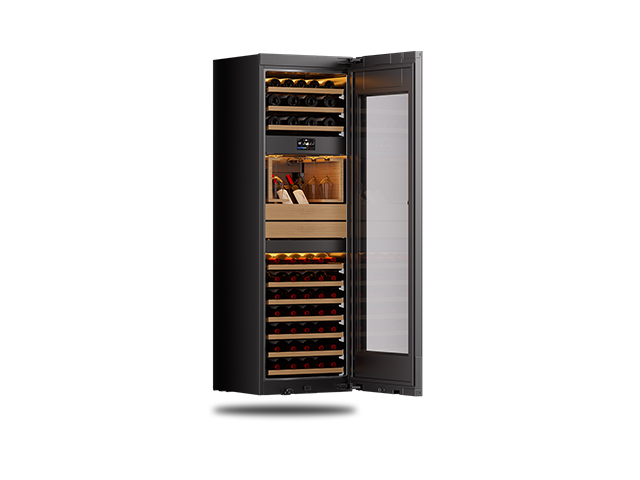
Wine Cooler Routine Problems

Wine Cooler OEM for Norway: Quiet and Premium Wine Storage Solutions

Wine Cooler OEM Manufacturer for Portugal: Private Label Options for Wine Brands and Retailers
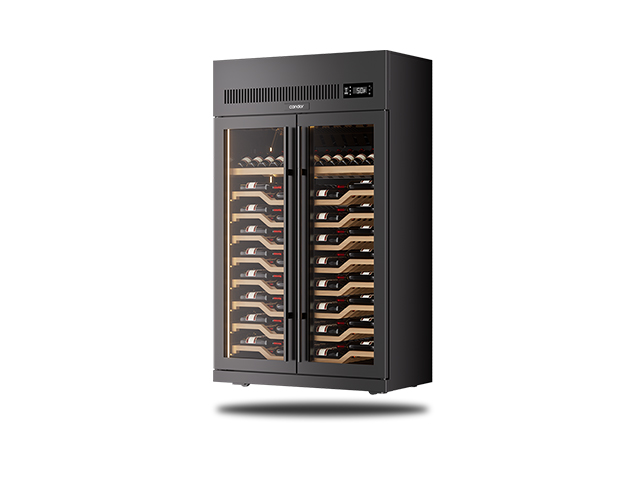
Built-In vs Freestanding Wine Coolers: Which Design Is Better for Different Applications?

Wine Cooler OEM Manufacturer for Colombia: Custom Wine Refrigerator Solutions for Growing Retail Markets

Wine Cooler OEM Manufacturer for Canada: Custom Wine Cabinet Options for Distributors and Brands
Use a technology-driven approach to logistics faster, Fill out the form and one of our sales representatives will contact you shortly
Sign up with